Sugar & Skin Aging: How Glycation Damages Collagen (And How to Prevent It)
Sugar does more than affect weight and energy. Scientists now recognize that excess sugar can physically attach to collagen and elastin fibers in the skin, forming stiff, damaging compounds called advanced glycation end products (AGEs). This biochemical process — glycation — accelerates wrinkles, sagging and dullness from the inside out. Understanding how glycation works gives clarity on why lifestyle, diet and skincare together matter for youthful skin.
- What is glycation?
- How glycation damages collagen
- What are AGEs and why they matter
- How glycation changes the way skin looks
- Where glycation comes from
- How to reduce glycation
- A skin routine that protects collagen
- Real-world evidence
- Supportive Amazon product ideas
- FAQ
- Conclusion
- Scientific references
What Is Glycation?
Glycation is a chemical reaction where sugars (like glucose or fructose) bind to proteins, fats or DNA without enzymes. In skin, the primary targets are collagen and elastin — the fibers that keep skin firm, elastic and smooth. Over time, these sugar–protein complexes transform into advanced glycation end products (AGEs). These compounds accumulate as we age and are strongly linked to visible skin aging.
How Glycation Damages Collagen and Elastin
Cross-linking makes fibers stiff
Glycation creates cross-links between collagen molecules, making them rigid and less flexible. Studies show these cross-linked fibers resist normal turnover and repair, meaning damaged collagen stays damaged longer.
Loss of skin elasticity
When collagen stiffens, the skin cannot bounce back easily. This leads to wrinkles forming more quickly and expression lines becoming permanent etched creases.
Increased inflammation and oxidative stress
AGEs also bind to a receptor called RAGE (receptor for advanced glycation end products), triggering inflammatory pathways and oxidative stress. These processes further break down healthy collagen and accelerate aging.
What Are Advanced Glycation End Products (AGEs)?
AGEs form naturally in the body as part of aging, but excess dietary sugar, smoking and high-temperature cooking methods dramatically increase their production. Skin is especially vulnerable because collagen proteins have very long lifespans — meaning once glycated, they remain that way for years.
Researchers consistently observe higher AGE levels in older skin and in people exposed to higher oxidative and metabolic stress.
How Glycation Changes the Way Skin Looks
- Wrinkles deepen as collagen becomes stiff and brittle
- Sagging increases due to weakened structural support
- Skin tone becomes dull or yellow-grey (“sallow”)
- Texture becomes rougher and less elastic
- Healing slows after breakouts or irritation
These signs can appear earlier in people with high sugar intake, smoking history or chronic inflammation.
Where Glycation Comes From
Endogenous glycation
This refers to glycation that forms inside the body due to elevated blood glucose. Frequent sugar spikes increase the rate of AGE formation over time.
Exogenous glycation (dietary AGEs)
AGEs also enter the body through food — especially when cooked at high temperatures such as grilling, frying or roasting. Animal proteins cooked this way can contain high AGE levels.
Environmental accelerators
- UV radiation
- Air pollution
- Smoking
- Chronic stress
These factors increase oxidative stress, which amplifies glycation-related aging.
How to Reduce Glycation and Protect Collagen
1. Keep blood sugar steadier
Balanced meals with fiber, protein and healthy fats reduce glucose spikes and the formation of AGEs.
2. Choose cooking methods wisely
Steaming, stewing, poaching and boiling produce far fewer AGEs compared with frying or charring.
3. Increase antioxidant intake
Antioxidants neutralize free radicals formed during glycation, helping protect collagen from further damage. Studies show polyphenols, carotenoids, vitamins C and E and certain plant compounds play protective roles.
4. Protect from UV daily
Ultraviolet exposure accelerates glycation-related aging through oxidative stress. Sunscreen use is essential for maintaining youthful collagen.
A Skin Routine That Defends Against Glycation
Support the barrier
A strong skin barrier reduces chronic inflammation and oxidative stress, helping slow AGE formation. Ceramides, glycerin and hyaluronic acid support hydration and repair.
Use topical antioxidants
Vitamin C, niacinamide and botanical antioxidants help counteract free radicals linked with glycation.
Retinoids for collagen renewal
Retinoids encourage new collagen production, helping offset the rigidity of glycated fibers.
Healthy lifestyle foundations
- Manage stress
- Prioritize sleep quality
- Avoid smoking
- Stay physically active
These habits improve metabolic health and reduce glycation at the cellular level.
Real-World Evidence
Clinical nutrition research has shown that reducing dietary AGE intake — while increasing antioxidant-rich foods — leads to measurable improvements in markers of oxidative stress and inflammation over several weeks. In parallel, dermatology research links lower oxidative load with healthier-looking skin and improved elasticity. This shows how lifestyle adjustments can support visible anti-aging from the inside out when practiced long term.
Supportive Amazon Product Ideas
These items align with research on antioxidants, barrier repair and UV protection. They do not “cure” glycation but can support an anti-aging routine focused on collagen defense.
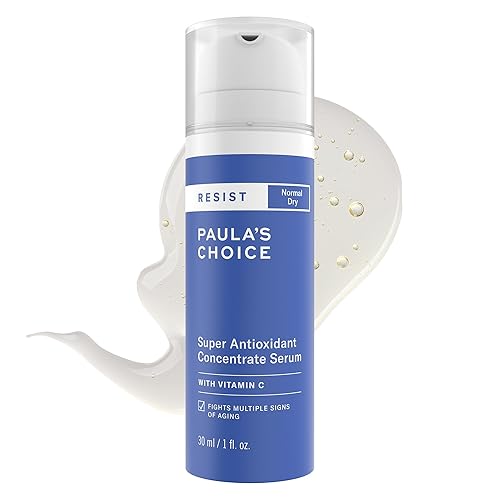
Paula's Choice Super Antioxidant Serum
Rich in antioxidants that support protection against oxidative stress linked with glycation.
View on Amazon
EltaMD UV Clear SPF 46
Lightweight daily sunscreen to reduce UV-driven oxidative stress and collagen breakdown.
View on Amazon
CeraVe PM Facial Moisturizing Lotion
Ceramides and niacinamide support barrier repair and hydration to calm inflammation.
View on Amazon
Green Tea Extract Supplement
Source of catechins studied for antioxidant and anti-inflammatory activity in the body.
View on Amazon
Alpha-Lipoic Acid Supplement
An endogenous antioxidant involved in cellular redox balance and oxidative protection.
View on AmazonFAQ
Can glycation be reversed?
Glycated collagen is difficult to reverse once formed. The main strategy is to slow new AGE formation and support healthy collagen renewal.
Does cutting sugar make skin look younger?
Reducing sugar helps lower endogenous glycation and oxidative stress over time, which can support healthier, brighter and more elastic-looking skin.
Is fruit sugar harmful?
Whole fruits contain fiber and antioxidants that slow absorption and may be protective. Diet patterns high in refined sugars are more strongly linked to glycation stress.
Conclusion
Glycation is one of the clearest connections between sugar and skin aging. When sugars bind to collagen and elastin, they create rigid AGEs that weaken skin structure, increase inflammation and accelerate wrinkles and sagging. While glycation is a natural part of aging, lifestyle and skincare choices can meaningfully slow the process.
Protecting collagen requires a comprehensive strategy: moderating sugar intake, choosing gentler cooking methods, embracing antioxidant-rich foods, wearing daily sunscreen, supporting the skin barrier and managing stress. These actions work together to reduce oxidative stress and help the skin remain firmer, brighter and more resilient for years to come.
Scientific References
- Gkogkolou P, Böhm M. Advanced glycation end products: Key players in skin aging. Dermatoendocrinol. 2012–2013.
- Pageon H. Reaction of glycation and human skin: The effects on the skin and its components. Ann Pharm Fr. 2010.
- Monnier VM et al. Biomechanics of collagen: AGE crosslinking effects in aging human tissues. J Clin Invest. 2005.
- Pageon H et al. Study of the influence of glycation on the mechanical properties of the skin. Int J Cosmet Sci. 2007.
- Singh R et al. Advanced glycation end-products: A review. Diabetologia. 2001.
- Uribarri J et al. Advanced glycation end products in foods and a practical guide to their reduction in the diet. J Am Diet Assoc. 2010.
- Jeanmaire C et al. Glycation during human dermal intrinsic and actinic ageing: An in vivo and in vitro model study. Br J Dermatol. 2001.
- Ramasamy R et al. Receptor for Advanced Glycation End Products (RAGE) and implications for the pathophysiology of aging. Curr Opin Clin Nutr Metab Care. 2005.


