Menopause and Skin: How Phytoestrogens Help Maintain Elasticity
Explore why menopause affects skin elasticity & discover botanical solutions, routines and science-backed picks.
Introduction
Menopause brings a profound shift for skin as much as for hormones. With declining estrogen levels come changes in skin thickness, elasticity, hydration and vulnerability to damage. In this guide you’ll learn how one class of natural compounds — phytoestrogens — is gaining attention for supporting skin health during this transition. You’ll get the science, the real-world context, how to use them, and top product recommendations to help maintain a resilient, hydrated and elastic complexion.
Why Menopause Affects Skin
When women enter perimenopause and menopause, the drop in circulating 17β-estradiol impacts the skin’s structure significantly. Research shows that estrogen deficiency accelerates the breakdown of collagen and elastin, thins the dermis, reduces skin hydration, and increases wrinkle formation. PMC
Specifically, a review noted that women post-menopause often see decreased skin elasticity, increased roughness, slower wound healing and impaired barrier function. PMC
These changes aren’t just cosmetic — they’re structural. The extracellular matrix becomes fragmented, the epidermis thins, and the skin loses its youthful bounce.
What Are Phytoestrogens?
Phytoestrogens are plant-derived compounds that can bind to estrogen receptors (especially ERβ) and mimic some of estrogen’s beneficial effects. Most well-studied types include isoflavones (from soy, red clover), lignans (from flax), and equol (a metabolite).PMC
These molecules are appealing in skincare and nutrition because they offer a gentler, botanical alternative to hormone replacement therapies — particularly for skin ageing in low-estrogen states. Portal Regional da BVS
Mechanisms of Action for Skin Elasticity
1. Binding to skin estrogen receptors
The skin contains abundant estrogen receptors (ERβ). Phytoestrogens like genistein and equol can bind these and prompt dermal cells to maintain collagen and elastin production, mimicking the structural benefits of estradiol. PMC
2. Promoting fibroblast activity & collagen synthesis
In post-menopausal models and clinical trials, isoflavones were shown to increase thickness of the epidermis, boost elastin fibre number and collagen density, and enhance blood vessel network in the dermis. PubMed
3. Protecting against oxidative stress & photodamage
With less estrogen, skin becomes more vulnerable to UV-induced damage, free radicals and matrix breakdown. Phytoestrogens provide antioxidant effects (and sometimes mild UV-protective actions), helping preserve structural proteins and barrier integrity. PMC
4. Supporting hydration & barrier function
Some studies report improved skin hydration, less transepidermal water loss and improved barrier function when phytoestrogen-rich extracts are used in post-menopausal women. PMC
Clinical Evidence in Postmenopausal Skin
Several human clinical studies and reviews now support the use of phytoestrogens for skin health in menopause:
- A 2022 study with isoflavone-rich soy extract over six months found significant increases in dermal collagen fibres, elastin fibre number and epithelial thickness in post-menopausal women. Repositorio
- A 2019 review described phytoestrogens as “promising bioactive compounds… improving skin health by delaying visible signs of dermal ageing in estrogen-deficient skin.” ResearchGate
- Earlier 2021/2022 reviews summarized dozens of trials showing improved skin elasticity, hydration and reduced roughness in peri-/post-menopausal skin with phytoestrogen use. RBCP
One key takeaway: the results are **modest but meaningful**. Women who consistently used phytoestrogen-rich formulas or supplements for 3-6 months noted smoother contours, firmer texture and better skin tone.
Top Amazon Picks
Here are five well-reviewed products that focus on phytoestrogens or menopause-specific skin support. (Always check ingredients, allergies & consult your healthcare provider.)


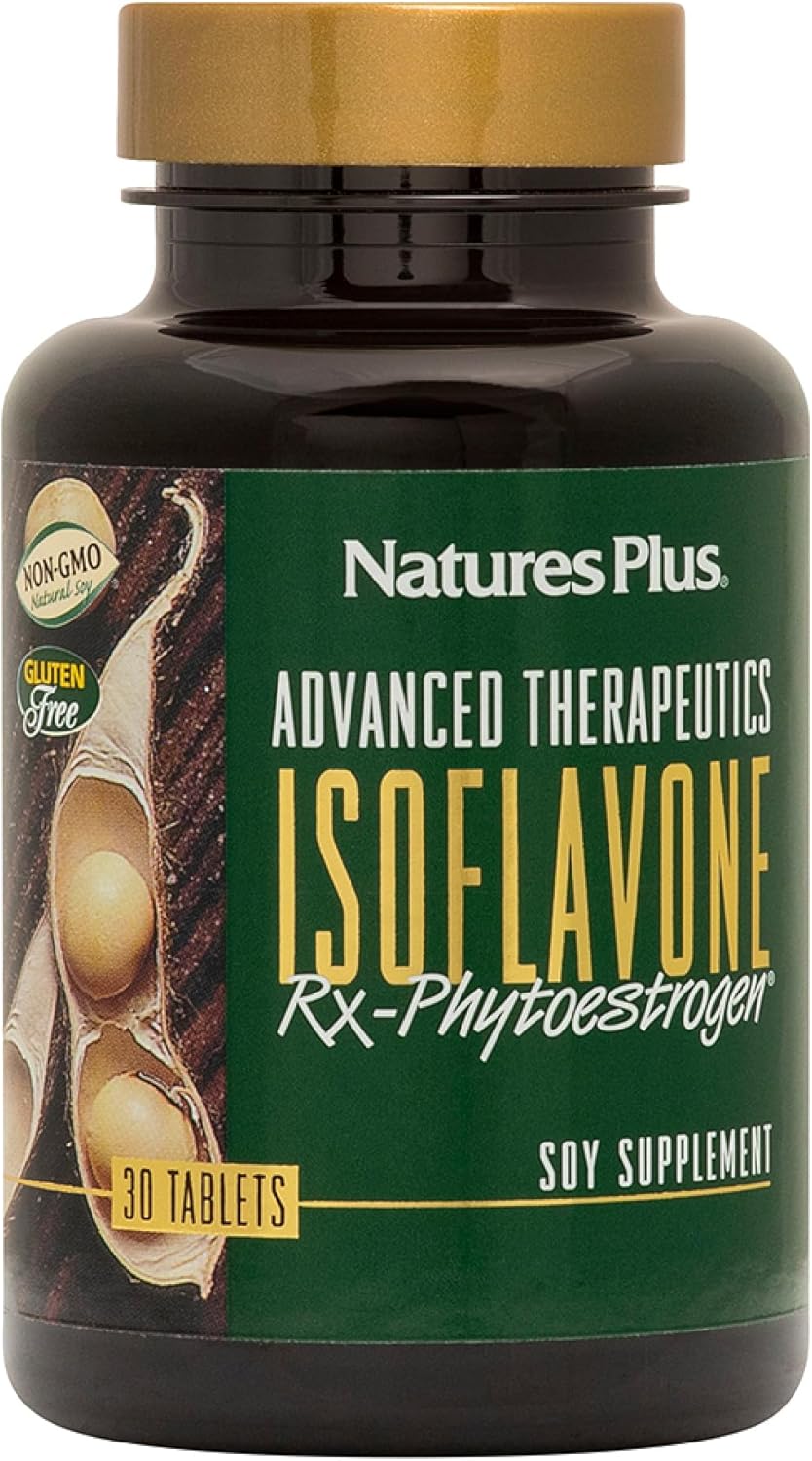


Real-World Example: What Public Figures Are Saying
Many women in the public eye are now openly discussing menopause and skin changes, helping de-stigmatize this life stage. For example, actress Naomi Watts launched her skincare brand Stripes in 2022 aimed at menopausal skin and openly discussed how her early menopause left her skin “dry, irritated and lacking bounce”. (Good Housekeeping) While not specifically naming phytoestrogen supplements, her brand includes botanicals and plant-based skin support designed for estrogen-deficient skin.
What this means for you: If a high-profile woman goes public with menopausal skin concerns and chooses brand formulas built around plant estrogens and botanicals — it shows the shift in focus from concealment to proactive skin health in menopause.
How to Use & Routine Tips
Oral Supplement Strategy
For supplements, consistency matters. Many studies used 3-6 months of daily intake of isoflavone-rich extracts to see improvements in skin elasticity.
- Choose a phytoestrogen supplement that offers standardized isoflavones (eg: genistein, daidzein) or equol.
- Take it with food to improve absorption.
- Track your skin via photos or with your dermalist every 3-4 months to assess changes.
Topical & Skincare Routine
Beyond supplements, your skin deserves external support:
- Use a rich moisturizer or serum targeted to menopausal skin (look for soy/isoflavone, red-clover extracts, botanical adaptogens).
- Keep sunscreen (SPF 30+) as a daily non-negotiable — phytoestrogens support skin but don’t replace sun protection.
- Support hydration: apply moisturizer within 60 seconds after cleansing, consider nighttime nourishing oils.
- Focus on sleep, balanced diet (good fats, protein, antioxidant-rich foods), and strength training — they all support skin matrix health.
Safety & Precautions
Phytoestrogens are generally well tolerated but because they mimic estrogenic activity, you should consider:
- If you have hormone-sensitive conditions (breast cancer history, endometriosis) consult a specialist before using phytoestrogen supplements.
- Supplements are not regulated like pharmaceuticals — choose reputable brands, check third-party testing.
- Some topical products may cause minor irritation when first introduced — patch-test behind ear/inner arm.
- Results take time — expect changes over 3-6 months rather than overnight miracles.
FAQ
Q: Will phytoestrogens replace hormone replacement therapy (HRT)?
A: No. Phytoestrogens support skin health but do not replace HRT if it has been prescribed for your systemic menopausal symptoms.
Q: At what age should I start phytoestrogens for skin?
A: You can consider them when you begin noticing skin changes — often in perimenopause (40s) or post-menopause (50+). Start earlier yields better outcome.
Q: How soon will I see improvements in skin elasticity?
A: Most clinical trials report noticeable changes after 3-6 months of consistent use.
Conclusion
Menopause and the associated drop in estrogen pose real challenges for skin firmness, elasticity, and resilience. Phytoestrogens offer a science-backed, botanical approach to help support the skin’s structure from within and externally. When combined with sun protection, proper skincare, nutrition and lifestyle — they can help you maintain the confidence that your skin is still vital and strong. Cosmetic change starts from a deeper place — your matrix, your hormones, and your routine. Let your skin’s second act be its best act.


