Dull Skin After 40: Causes, Science & Solutions for Radiance
You wake up, look in the mirror, and your skin just looks... tired. Less glow, more roughness, maybe a gray or yellow cast that makeup cannot fully hide. If this sounds familiar after 40, you are not alone — but you are also not powerless.
What Actually Is “Dull Skin” After 40?
Dermatology researchers often talk about skin quality instead of “glow”. Skin quality includes color evenness, surface smoothness, elasticity, radiance and hydration. With age, intrinsic changes in collagen, elastin, hyaluronic acid and barrier function mean the skin reflects light less evenly and holds less water. That is when people describe their face as “dull”, “tired” or “flat”.1,2
Common signs of dull skin in your 40s and beyond include:
- Rough or uneven texture that grabs makeup.
- Fine flaking or dry patches, even if your skin was once oily.
- Uneven tone: lingering marks from old breakouts, sun spots, redness.
- Less “bounce” and luminosity, especially around cheeks and under eyes.
These shifts are not just cosmetic; they track with measurable changes in dermal collagen, epidermal thickness and stratum corneum hydration seen in studies of aging skin.1–3 The positive side of this story: many of these parameters respond to targeted care.
Why Skin Looks Dull After 40: Key Causes Backed by Science
1. Intrinsic aging: slower renewal, less collagen, weaker barrier
With chronological aging, cell turnover slows, dermal collagen and elastin decline, and the lipid barrier becomes less efficient. Reviews of skin aging describe epidermal thinning, reduced sebum, more transepidermal water loss (TEWL) and diminished microcirculation — all factors that contribute to dryness, fine lines and a loss of radiance.2,3
2. Sun and pollution damage
Ultraviolet (UV) radiation and pollution generate free radicals that trigger collagen-degrading enzymes and uneven pigment (spots, blotchiness). This “photoaging” shows up as coarse texture, roughness and color irregularities that make skin appear older and duller than its chronological age.2,4
3. Dehydration & impaired barrier function
Healthy stratum corneum water content is typically around 20–30%. When barrier lipids and natural moisturizing factors decline with age, skin loses water more easily, leading to rough, dry and clinically dull skin. Studies highlight that restoring deep hydration and barrier function improves radiance, clarity and texture.3,5
4. Build-up of dead cells & uneven surface
Slower turnover means corneocytes (dead cells) accumulate on the surface. Clinical trials using alpha-hydroxy acids (AHAs) such as lactic or glycolic acid show smoother texture, more even tone and reduced dullness after weeks of controlled exfoliation.6,7
5. Poor sleep & chronic stress
A clinical study comparing good sleepers with poor sleepers found that poor sleep quality was associated with more signs of intrinsic aging, worse barrier recovery, and lower satisfaction with appearance.8 Experimental sleep deprivation also increased facial skin yellowness and dullness in healthy adults.9
6. Nutrition gaps
Reviews on nutrition and skin health emphasize that vitamins C, E, some B vitamins, essential fatty acids, zinc and carotenoids support barrier integrity, collagen synthesis and antioxidant defense. Inadequate intake, common in busy midlife, can contribute to dryness, roughness and a lack of radiance.10
The Science of Radiance: How “Glow” Is Created
When dermatologists talk about “radiant” skin, they are really talking about how light interacts with the surface and upper layers. A smooth, well-hydrated surface with uniform pigmentation reflects and scatters light evenly; a rough, dehydrated or patchy surface scatters light chaotically, which our eyes see as dull, tired skin.1,5
Four pillars define visible radiance:
- Texture — fine, smooth microrelief and small pores.
- Tone — even color without noticeable blotchiness or spots.
- Hydration — well-hydrated stratum corneum that appears plump, not ashy.
- Elasticity — the “bounce” that reflects a healthy dermal matrix.
Clinical moisturization studies show that when water content and barrier function improve, visible radiance and clarity improve in parallel.5 Similarly, controlled exfoliation and antioxidant use can refine texture and correct color, so light reflects more evenly.6,7,11
Routine Solutions: What Actually Helps Dull Skin After 40
The goal is not to chase perfection, but to support your skin’s biology so it can look as healthy as possible for your age. Evidence-based ingredients focus on exfoliation, antioxidant protection, barrier repair and consistent sun protection.
1. Start with a gentle, non-stripping cleanse
Over-cleansing and harsh surfactants damage the lipid barrier, increasing TEWL and dryness. A gentle cleanser that removes sunscreen and makeup without leaving a tight feeling protects barrier integrity. Look for phrases like “hydrating”, “non-foaming” or “cream/gel cleanser for dry or normal skin”.
2. Use chemical exfoliation wisely
Instead of aggressive scrubs, low-strength AHAs (like lactic or glycolic acid) can loosen the “glue” between dead cells so they shed more evenly. Trials with AHA-based regimens show smoother texture, finer lines and improved radiance with regular use.6,7
- Start 1–2 times per week at night, especially if your skin is sensitive.
- Avoid using AHAs on nights you use retinoids or after in-office procedures (unless your dermatologist approves).
- Always wear broad-spectrum SPF during the day, as AHAs can increase sensitivity to sunlight.
3. Add a vitamin C antioxidant serum in the morning
Vitamin C is a cofactor for collagen synthesis and a potent antioxidant. Reviews of topical vitamin C show improvements in hyperpigmentation, fine lines and overall brightness when stable formulations are used consistently.11,12 Combining vitamin C with vitamin E and ferulic acid further enhances protection against UV-induced damage in human studies.13,14
4. Focus on deep hydration & barrier repair
Gel-cream moisturizers with humectants (like glycerin, hyaluronic acid) and lipid-mimicking emollients can restore water to deeper epidermal layers. In a 12-week clinical study of a gel matrix moisturizer, subjects with dry, dull facial skin experienced significant improvements in hydration, barrier function and radiance.5
Look for moisturizers with ingredients like glycerin, hyaluronic acid, ceramides and barrier-supportive lipids. Choose textures you enjoy — you are much more likely to use them consistently.
5. Never skip daily SPF
Sunscreen is not glamorous, but it is non-negotiable for glow. UV is a major driver of collagen breakdown, uneven tone and rough texture over time.2,4 A broad-spectrum SPF 30 or higher, applied generously every morning and reapplied with continued sun exposure, protects the gains you get from your routine.
Lifestyle Factors: Stress, Sleep & Diet for Radiant Skin
1. Sleep as a “night treatment” for your skin
In a study of 60 women, poor sleepers had more signs of intrinsic aging, higher baseline TEWL and slower barrier recovery than good sleepers.8 Another trial found that just a few nights of partial sleep deprivation increased facial skin dullness and yellowness.9
Support better sleep by:
- Keeping a consistent bedtime and wake time when possible.
- Limiting caffeine late in the day and heavy meals close to bedtime.
- Creating a wind-down routine that might include stretching, breathing exercises or reading.
2. Manage stress where you can
Chronic psychological stress can increase inflammatory signaling and oxidative stress, which indirectly contribute to dullness and barrier disturbance. While you cannot remove all stress, micro-habits (short walks, brief mindfulness practices, saying “no” more often) help modulate the stress response your skin is exposed to.
3. Nourish your skin from the inside
Nutritional reviews emphasize the role of antioxidant vitamins (C, E), carotenoids, polyphenols, omega-3 fatty acids and adequate protein in maintaining skin structure and barrier function.10 A pattern that supports radiance includes:
- Colorful fruits and vegetables (vitamin C, carotenoids, polyphenols).
- Healthy fats from fish, nuts, seeds and plant oils (essential fatty acids).
- Adequate protein for collagen and muscle maintenance.
- Sufficient hydration throughout the day.
Supplements can support these foundations but cannot replace a balanced diet or medical care.
Real-World Example: A Clinical Trial Participant’s “Glow Story”
From the clinic to everyday life
In one clinical study of a gel matrix facial moisturizer, women with self-perceived dry, dull skin used the product twice daily for 12 weeks. Instrumental measurements showed increased water content in deeper epidermal layers and improved barrier function, and clinical grading showed better radiance and texture.5
While the trial reported group averages rather than individual names, self-assessment questionnaires revealed that many participants noticed that their face looked “more radiant”, “smoother” and “less tired”. This is a good example of how consistent, evidence-based hydration and barrier support can translate from laboratory measurements to how someone feels about their skin in real life.
Results from clinical trials represent averages. Individual responses vary, and any new product should be patch-tested and used according to instructions.
Glow-Supporting Products for Dull Skin After 40 (Amazon Picks)
The options below are examples of products that fit the science discussed above: gentle exfoliation, antioxidant protection, deep hydration and supportive nutrition. Always read labels carefully and talk with your healthcare provider before starting new supplements, especially if you have medical conditions or take medication.
The Ordinary Lactic Acid 10% + Hyaluronic Acid 2%
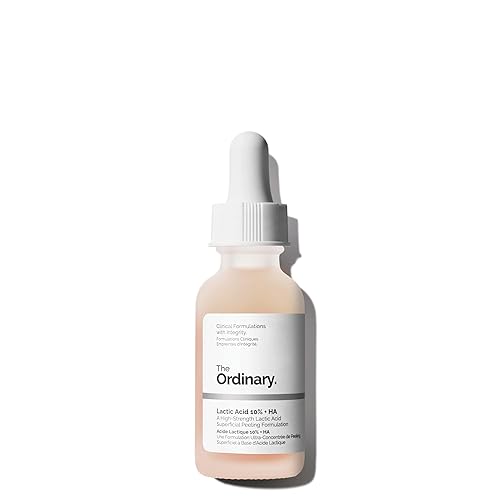
- Gently dissolves dead skin cell build-up that contributes to dullness.
- Helps refine texture and even tone over time.
- Pair with daily SPF to protect newly exfoliated skin.
Geek & Gorgeous C-Glow 15% Vitamin C + E & Ferulic Serum
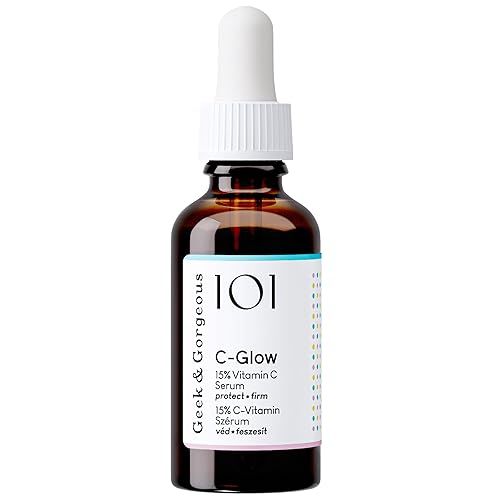
- Brightens the appearance of sun spots and post-acne marks.
- Supports collagen and helps protect against environmental stress.
- Best used in the morning under moisturizer and SPF.
Origins GinZing Glow-Boosting Gel Moisturizer

- Lightweight feel with radiance-enhancing finish.
- Supports hydration, which is critical for smooth, luminous skin.
- Pairs well with antioxidant serums in the morning.
THORNE Magnesium Glycinate

- Supports more restful sleep, which is linked to better barrier function and skin appearance.
- Gentle magnesium form that is often well tolerated.
- Always follow dosage instructions and consult your healthcare provider before use.
Garden of Life Organics Multivitamin for Women 40+
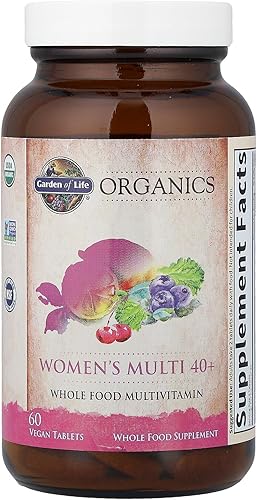
- Helps fill potential nutrition gaps that affect skin quality.
- Provides key vitamins like C, E, D and B vitamins.
- Use as part of a balanced lifestyle, not a substitute for varied diet.
Product details and availability may change over time. Always check the current Amazon listing, ingredients and reviews before purchasing. Supplements should be discussed with a qualified healthcare professional.
FAQ: Dull Skin After 40
Scientific References
- Humphrey S, Manson Brown S, Cross SJ, et al. Defining Skin Quality: Clinical Relevance, Terminology, and Assessment. Dermatol Surg. 2021;47(7):974–981. Link
- Naharro-Rodriguez J, Bacci S, Hernandez-Bule ML, et al. Decoding Skin Aging: A Review of Mechanisms, Markers, and Modern Therapies. Cosmetics. 2025;12(4):144. Link
- Bianchini JM, Zhang Q, Hanna G, et al. A unique gel matrix moisturizer delivers deep hydration resulting in significant clinical improvement in radiance and texture. Clin Cosmet Investig Dermatol. 2019;12:229–239. Link
- Oyetakin-White P, Suggs A, Koo B, et al. Does poor sleep quality affect skin ageing? Clin Exp Dermatol. 2015;40(1):17–22. Link
- Matsubara N, Kawamura A, Oguri M, et al. Sleep Deprivation Increases Facial Skin Yellowness and Dullness. J Clin Med. 2023;12(2):615. Link
- Karwal R, et al. Alpha Hydroxy Acids in Cosmetic Dermatology: A Systematic Review. Cosmetics. 2023;10(2):32. Link
- Tran C, et al. Clinical evaluation of an antiaging skin care system containing alpha hydroxy acids and vitamins. J Am Acad Dermatol. 2014;70(5 Suppl 1):AB160. Link
- Boo YC. Ascorbic Acid (Vitamin C) as a Cosmeceutical to Increase Cutaneous Vitamin C Levels. Dermatol Ther (Heidelb). 2022;12(9):2089–2116. Link
- Martínez-Valverde M, et al. Topical Vitamin C, Ginger and Marine Extract Serum Improves Facial Signs of Aging. J Cosmet Dermatol. 2022;21(10):4261–4269. Link
- Jiang H, et al. Nutritional Elements in Skin Homeostasis and Ageing. Nutrients. 2025;17(3):642. Link
Conclusion
Dull skin after 40 is not a personal failing; it is a natural result of intrinsic aging combined with lifestyle and environmental stress. At the same time, research clearly shows that radiance is not “lost forever”. By supporting texture, tone, hydration and elasticity with the right ingredients and habits, it is possible to noticeably improve glow at any age.
A gentle routine with smart exfoliation, vitamin C antioxidants, barrier-focused moisturizers and daily SPF creates a strong foundation. Prioritizing sleep, managing stress and nourishing your body from the inside further support your skin. Supplements and targeted products can then become tools that work with your biology — not quick fixes, but steady allies in long-term skin health.
Your skin carries your story. Supporting it with science-backed care is one way to feel more at home in that story, with a little extra radiance every time you see your reflection.
Important Disclaimer
This article is for educational purposes only and does not provide medical advice, diagnosis or treatment. It is not a substitute for professional advice from a dermatologist, physician or other qualified healthcare provider. Always consult your healthcare provider before starting new skincare products, treatments or dietary supplements, especially if you have underlying health conditions, are pregnant, nursing or taking medication.
We do not accept responsibility for any decisions, actions or outcomes resulting from the use of information or products mentioned in this article.


