Dark Circles vs. Under-Eye Hollows: What Really Works and What Is Just Hype
What Really Works for Dark Circles vs. Under-Eye Hollows & What Is Just Hype
If your under-eyes always look tired — even when you are not — you are not alone. But not all “dark circles” are the same. Some are caused by real pigment in the skin, others by visible blood vessels or swelling, and others by hollow “tear troughs” that cast a shadow. Each type needs a different solution, and many trendy products simply cannot fix the wrong problem.
- Why your under-eyes look tired
- Dark circles vs. hollows: key differences
- Main causes of true dark circles
- Why under-eye hollows appear
- What really works (science-backed)
- What is mostly hype
- Building a smart at-home routine
- Real-world example
- Evidence-inspired Amazon picks
- FAQ
- Conclusion
- Scientific references
- Important disclaimer
Why your under-eyes look tired (even when you are not)
The under-eye area is one of the thinnest, most delicate parts of the face. There is less fat, more visible blood vessels, and constant movement from blinking and facial expressions. As we pass 30 and 40, several changes happen:
- Collagen and elastin decrease, so the skin becomes thinner and looser.
- Bone and fat under the eye shrink, creating hollows that catch the light and look like “shadows.”
- Sun damage and inflammation increase pigmentation around the eyes.
- Blood and lymphatic flow can slow down, making the area look bluish or puffy.
Dermatology reviews show that what most people call “dark circles” is actually a mix of pigmentation, vascular color, structural shadow and swelling, and the contribution of each factor varies by person.
Dark circles vs. under-eye hollows: what is the difference?
Dark circles
In clinical terms, dark circles are usually described as periorbital hyperpigmentation or “under-eye discoloration.” Researchers divide them into several types:
- Brownish circles – mostly from extra melanin (pigment) in the skin.
- Blue–purple circles – from visible blood vessels showing through thin skin.
- Shadow-type circles – from folds, bags or hollows that catch the light.
- Mixed type – a combination of the above, which is very common.
True dark circles usually look darker regardless of the lighting and are more about color than shape.
Under-eye hollows (tear troughs)
Under-eye hollows are called the tear trough deformity. As fat and bone volume decrease with age, a groove forms from the inner corner of the eye towards the cheek.
Hollows often:
- Look like a sunken groove or “trench” under the eye.
- Appear worse in overhead lighting or in photos.
- Can be present even if the skin color is normal.
Main causes of true dark circles
1. Pigmentation in the skin
In many people, especially with medium to deep skin tones, dark circles are mainly due to increased melanin in the under-eye skin. Reviews describe causes such as genetics, chronic rubbing or scratching, allergies, eczema, and sun exposure.
This kind of darkness tends to be:
- Brown or gray in color.
- Present even when you stretch the skin gently.
- Often affecting both upper and lower lids.
2. Vascular and “tired” look
Thin skin plus visible veins gives a blue, purple or reddish tone under the eyes. Poor sleep, smoking and stress can make this worse by changing blood flow and inflammation in the skin. Clinical work on sleep restriction shows that lack of sleep leads to duller skin, more fine lines and more visible under-eye shadows.
3. Swelling and fluid retention
Some people wake up with puffy eyes that look darker because of shadow and stretched, shiny skin. Causes can include:
- High-salt meals and alcohol the night before.
- Allergies and sinus congestion.
- Sleeping face-down or on a very low pillow.
- Certain medications or hormonal changes.
A randomized study of caffeine gel around the eye showed a measurable reduction in puffiness after one sleepless night, supporting the idea that targeted de-puffing can help when swelling is a main driver.
4. Genetics and facial structure
Sometimes, families simply have a certain eyelid shape, pigmentation pattern or bone structure that makes the under-eye area look darker from childhood. In these cases, the goal is usually improvement, not complete erasing.
Why under-eye hollows appear and how they behave
Under-eye hollows are mostly about volume loss. As we age, several things happen at the same time:
- Fat pads around the eye shrink and shift downward.
- Cheek volume decreases, creating a step between the eyelid and cheek.
- The orbital bone remodels, slightly enlarging the eye socket.
A systematic review of tear trough treatment describes how these changes create a visible groove (infraorbital hollow) that reflects light differently and makes the under-eye look shadowed and tired.
The most commonly studied minimally invasive option for hollows is hyaluronic acid filler placed carefully in the tear trough. Reviews and clinical series report high satisfaction, improved appearance and generally mild, short-term side effects when the procedure is done by experienced injectors.
However, fillers are not appropriate for everyone — for example, people with very thin, crepey skin or strong bags may need different approaches (such as surgery or laser) recommended by a board-certified specialist.
What really works (science-backed strategies)
1. Lifestyle basics that show up under your eyes
A surprising amount of “eye fatigue” is really whole-body fatigue. Studies on sleep restriction show more under-eye swelling, droopiness and dull facial color when people repeatedly get less sleep than they need.
Helpful habits for the eye area include:
- Prioritizing 7–9 hours of quality sleep when possible.
- Limiting late-night salty food and alcohol that worsen morning puffiness.
- Not smoking (smoke accelerates collagen breakdown and dullness).
- Daily broad-spectrum sunscreen and sunglasses to protect pigment-prone skin.
2. Topical ingredients with evidence for dark circles
Dermatology reviews of periorbital hyperpigmentation list several topical strategies that can help depending on the dominant cause:
- Brightening agents – such as niacinamide, azelaic acid, kojic acid, vitamin C and carefully used hydroquinone (under professional supervision for certain skin types).
- Retinoids – low-strength retinol or retinaldehyde can improve texture and pigment over months by boosting collagen and normalizing cell turnover.
- Peptides and barrier-supporting ingredients – help improve fine lines and skin quality, making the area reflect light more evenly.
- Caffeine and related agents – small trials suggest caffeine gels can reduce puffiness after sleep loss, likely by vasoconstriction and improving lymphatic drainage.
3. Procedures with real impact
For moderate or severe dark circles, especially when pigment and structural issues are strong, in-office procedures can help:
- Chemical peels with mild acids around the eyes to reduce superficial pigmentation (for selected skin types).
- Lasers and intense pulsed light to target pigment or vascular components.
- Microneedling and radiofrequency to improve texture and firmness.
- Hyaluronic acid fillers for true hollows, restoring volume in the tear trough.
A systematic review and meta-analysis of periorbital dark circle treatments concluded that multiple modalities — peels, lasers, topical depigmenting agents and fillers — can significantly improve the appearance of dark circles when matched correctly to the underlying cause.
What is mostly hype (or only a partial solution)
1. Jade rollers, gua sha tools and ice alone
Cooling and gentle massage can temporarily reduce puffiness by shifting fluid and constricting blood vessels. It can also feel relaxing. But there is very little controlled clinical data that these tools permanently change dark circles or hollows.
Think of them as a helpful add-on for puffiness and stress relief — not a treatment for pigment, structural hollows or true volume loss.
2. “Erase in 60 seconds” creams
Many viral products claim to erase under-eye bags instantly. Some do temporarily tighten the skin using film-forming polymers or salts, which can visibly flatten mild bags for a short period of time. But:
- They do not rebuild collagen or fill hollows.
- The effect often disappears with blinking, facial movement or when you apply makeup on top.
- Overuse can sometimes leave white residue or emphasize dryness.
3. One-size-fits-all eye cream promises
A formula that is excellent for pigment (for example, with vitamin C and niacinamide) may do almost nothing for hollows. A rich, occlusive cream that plumps fine lines might make someone with puffy eyes look worse in the morning.
Building a smart at-home routine (by problem type)
1. If your main issue is brown or gray pigment
- Daily broad-spectrum SPF 30+ around the eye (carefully kept out of the eye itself).
- Eye cream or serum with brightening agents like niacinamide, vitamin C or gentle tyrosinase inhibitors, used consistently for several months.
- Avoid rubbing, scratching or tugging at the eyes and manage allergies that cause itching.
2. If your main issue is blue–purple tone and tired look
- Focus on sleep quality, stress management and not smoking.
- Hydrating eye cream that strengthens the barrier and slightly thickens the skin’s appearance.
- Concealer with correct undertone (often peach or salmon) to neutralize the color.
3. If your main issue is puffiness
- Reduce evening salt and alcohol; elevate the head slightly at night.
- Patch tests and allergen control if you suspect irritation or allergy.
- Caffeine-containing gel or cooling mask in the morning to encourage drainage.
4. If your main issue is hollows
For shallow hollows, skincare can help the surface look smoother and healthier, and makeup can disguise the shadow. But for moderate to deep hollows, the evidence-based solution is volume restoration (usually with hyaluronic acid filler) performed by a qualified injector, after a proper consultation.
Real-world example: how pros deal with celebrity dark circles
When cameras and bright lights are involved, dark circles get brutally exposed. Celebrity makeup artists who work with stars like Beyoncé and Adele have shared that they rarely rely on just one concealer. Instead, they use different shades and textures under the eyes versus on blemishes, and they carefully match undertones to avoid making circles look ashy or gray.
In interviews, artists such as Pat McGrath emphasize choosing a concealer that truly matches the skin tone for dark circles, then adding a slightly lighter shade only where needed, and setting it gently so it does not crease.
This behind-the-scenes approach mirrors what science suggests: you get the best result when you correct color, structure, texture and light reflection together, instead of expecting a single product to do everything.
Evidence-inspired Amazon picks for the under-eye area
These product ideas are inspired by research on hydration, barrier repair, caffeine for puffiness and retinoids for texture. They are not cures for medical conditions, but they can support a thoughtful routine targeting dark circles and hollows.
 Available on Amazon
A gentle, fragrance-free eye cream with ceramides, hyaluronic acid and niacinamide to support the skin barrier and hydration.
- Helps strengthen delicate under-eye skin.
- Suitable for many sensitive skin types.
- Pairs well with brightening serums or concealer.
 Available on Amazon
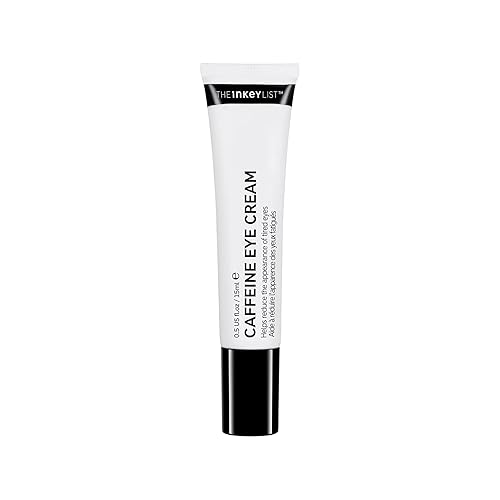
Lightweight eye cream with caffeine and peptides, inspired by studies showing caffeine gels can reduce puffiness after sleep loss.
- Targets morning puffiness and “tired” look.
- Works well under makeup thanks to light texture.
- Budget-friendly way to add caffeine to your routine.
 Available on Amazon
A classic retinol-based eye cream designed to soften fine lines and improve texture over time when used consistently.
- Targets fine lines that make under-eyes look creased and shadowed.
- Can gradually improve overall smoothness and radiance.
- Should be introduced slowly to minimize irritation.
 Available on Amazon
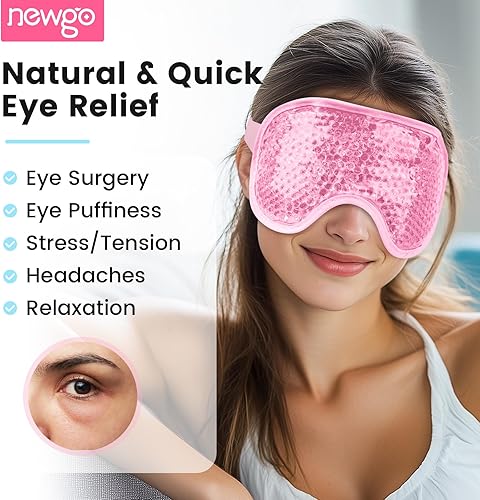
A reusable gel eye mask that can be chilled to help temporarily reduce puffiness and refresh the under-eye area.
- Supports de-puffing routines alongside caffeine or decongesting care.
- Relaxing self-care step for stressed, tired eyes.
- Reusable and easy to keep in the fridge.
 Available on Amazon
A popular under-eye concealer with brightening shades that can neutralize dark tones when matched correctly to your undertone.
- Provides quick visual improvement while skincare works slowly underneath.
- Multiple shades, including brightening tones for dark circles.
- Can be combined with correctors for more stubborn discoloration.
FAQ
It can help but rarely fixes everything by itself. Creams work best for pigment, mild vascular color and fine lines. They cannot fill deep hollows or fully remove hereditary darkness, but they can make the area look noticeably better over time.
Texture and brightness often improve after 8–12 weeks of consistent skincare. Pigment and fine lines can take several months. Procedures like lasers or fillers can be faster, but they require consultation with a qualified professional and carry their own risks.
Systematic reviews report that hyaluronic acid fillers in the tear trough can be effective and generally safe when used by experienced injectors, with most side effects being mild and temporary. However, rare but serious complications are possible, so choosing a trained, licensed medical professional is essential.
Yes. Genetics, bone structure and natural skin tone all play strong roles. The realistic goal is often softer, brighter, more rested-looking under-eyes, not a completely photoshopped effect.
Conclusion: matching the solution to the real problem
Dark circles and under-eye hollows may look similar in the mirror, but they are different problems with different evidence-based solutions. Pigment, vascular color, swelling and structural hollows can all play a role — and no single cream, gadget or trend can correct all four at once.
The most successful strategies usually combine:
- Realistic lifestyle changes (sleep, sun protection, not smoking).
- Targeted skincare (brightening agents, barrier support, retinoids, caffeine for puffiness).
- Smart makeup techniques to neutralize remaining color and shadow.
- Professional treatments for stubborn pigment or true hollows when appropriate.
When you understand whether you are dealing with true dark circles, hollow tear troughs or both, the eye area stops being such a mystery — and you can invest your time and money in things that actually move the needle, instead of chasing hype.
Scientific references
- Sarkar R et al. Periorbital Hyperpigmentation: A Comprehensive Review. J Clin Aesthet Dermatol. 2016.
- Roberts WE. Periorbital Hyperpigmentation: Review of Etiology, Medical Evaluation, and Treatment. J Drugs Dermatol. 2014.
- Pour Mohammad A et al. The First Systematic Review and Meta-Analysis of Periorbital Dark Circles Treatment. Dermatol Ther. 2025.
- D’Amato S et al. Is the Treatment of the Tear Trough Deformity with Hyaluronic Acid Injections a Safe Procedure? A Systematic Review. Appl Sci. 2021.
- Urdiales-Gálvez F et al. Treatment of the Tear Trough with Hyaluronic Acid Fillers: A Practical Guideline. Clin Cosmet Investig Dermatol. 2021.
- Amnuaikit T et al. Effect of Selected Caffeine Gels on Physicochemical Characteristics and In Vivo Efficacy in Reducing Puffy Eyes. J Appl Pharm Sci. 2011.
- Reyes R et al. Skin Penetration of Caffeine from Eye Area Cosmetics. Int J Pharm. 2023.
- Elias ML et al. Caffeine’s Mechanisms of Action and Its Role in Skin Protection and Aging: A Review. Molecules. 2023.
- Oyetakin-White P et al. Does Poor Sleep Quality Affect Skin Ageing? Clin Exp Dermatol. 2015.
- Gerber PA et al. Impaired Sleep and Increased Perceived Aging: A Study of Facial Signs of Tiredness. Sleep. 2013.


