Skin Barrier Explained: Why Healthy Skin Starts Here
Healthy, glowing skin begins long before you apply a serum, moisturizer, or sunscreen.
It starts with something that most people have never heard of—the skin barrier.
Often described as your body's invisible shield, the skin barrier works around the clock to protect you from the outside world while keeping essential moisture inside.
Every day it defends against pollution, bacteria, allergens, harsh weather, ultraviolet radiation, and countless environmental stressors.
When this protective barrier functions properly, your skin feels smooth, comfortable, hydrated, and resilient.
When it becomes damaged, even the most expensive skincare routine may struggle to deliver the results you expect.
Modern dermatology increasingly recognizes that many common skin concerns—from dryness and sensitivity to redness and irritation—begin with an impaired skin barrier.
Table of Contents
- What Is the Skin Barrier?
- How the Skin Barrier Works
- The Structure of Healthy Skin
- Why Your Skin Barrier Matters
- Signs of a Damaged Barrier
- How to Protect and Repair It
What Is the Skin Barrier?
Your skin is the largest organ in your body.
Its outermost layer, called the stratum corneum, forms the primary skin barrier.
Although only a fraction of a millimeter thick, this layer performs an extraordinary number of functions.
Scientists often describe it using the classic "brick and mortar" model.
- The skin cells (corneocytes) are the bricks.
- Lipids—including ceramides, cholesterol, and fatty acids—form the mortar holding everything together.
This highly organized structure creates a flexible yet remarkably effective protective shield.
Your skin barrier renews itself continuously. Most healthy adults replace much of the outer skin layer approximately every four weeks.
How the Skin Barrier Protects You
The skin barrier performs two essential jobs simultaneously.
It Keeps Harmful Things Out
- Bacteria
- Viruses
- Pollutants
- Allergens
- Chemical irritants
- Environmental toxins
It Keeps Helpful Things In
- Water
- Natural moisturizing factors
- Protective lipids
- Electrolytes
This balance allows skin to remain hydrated while reducing unnecessary water loss.
Your skin barrier constantly adjusts to changes in temperature, humidity, and environmental conditions while helping maintain internal balance.
Why the Skin Barrier Is So Important
Many people believe skincare is mainly about appearance.
In reality, healthy skin is a critical part of overall health.
A well-functioning barrier helps:
- Maintain hydration.
- Reduce water loss.
- Protect against microorganisms.
- Limit irritation.
- Support wound healing.
- Maintain comfortable skin.
- Support healthy aging.
Without this protective barrier, skin becomes far more vulnerable to environmental damage.
Many dermatologists now recommend repairing the skin barrier before introducing stronger active ingredients such as retinoids or exfoliating acids.
What Happens When the Skin Barrier Becomes Damaged?
When the protective lipid layer becomes disrupted, tiny gaps begin to appear between skin cells.
This allows water to escape more easily while making it easier for irritants to enter.
Dermatologists often refer to this process as increased transepidermal water loss (TEWL).
As moisture leaves the skin, dryness, tightness, and sensitivity often increase.
Fortunately, the skin barrier has an impressive ability to repair itself when given proper care.
Too much cleansing, exfoliation, or harsh skincare may damage the very barrier you're trying to improve.
Common Signs of a Damaged Skin Barrier
A weakened barrier can appear differently from person to person.
Common signs include:
- Dryness.
- Tightness after cleansing.
- Flaking.
- Redness.
- Burning after applying skincare products.
- Increased sensitivity.
- Rough texture.
- Itchy skin.
- Skin that becomes easily irritated.
These symptoms do not always indicate a medical condition, but they often suggest that the skin barrier needs additional support.
Persistent skin irritation, severe redness, pain, or rashes should always be evaluated by a qualified healthcare professional.
A Gentle Moisturizer That Supports the Skin Barrier
One of the simplest ways to support the skin barrier is to use a fragrance-free moisturizer designed for sensitive skin.
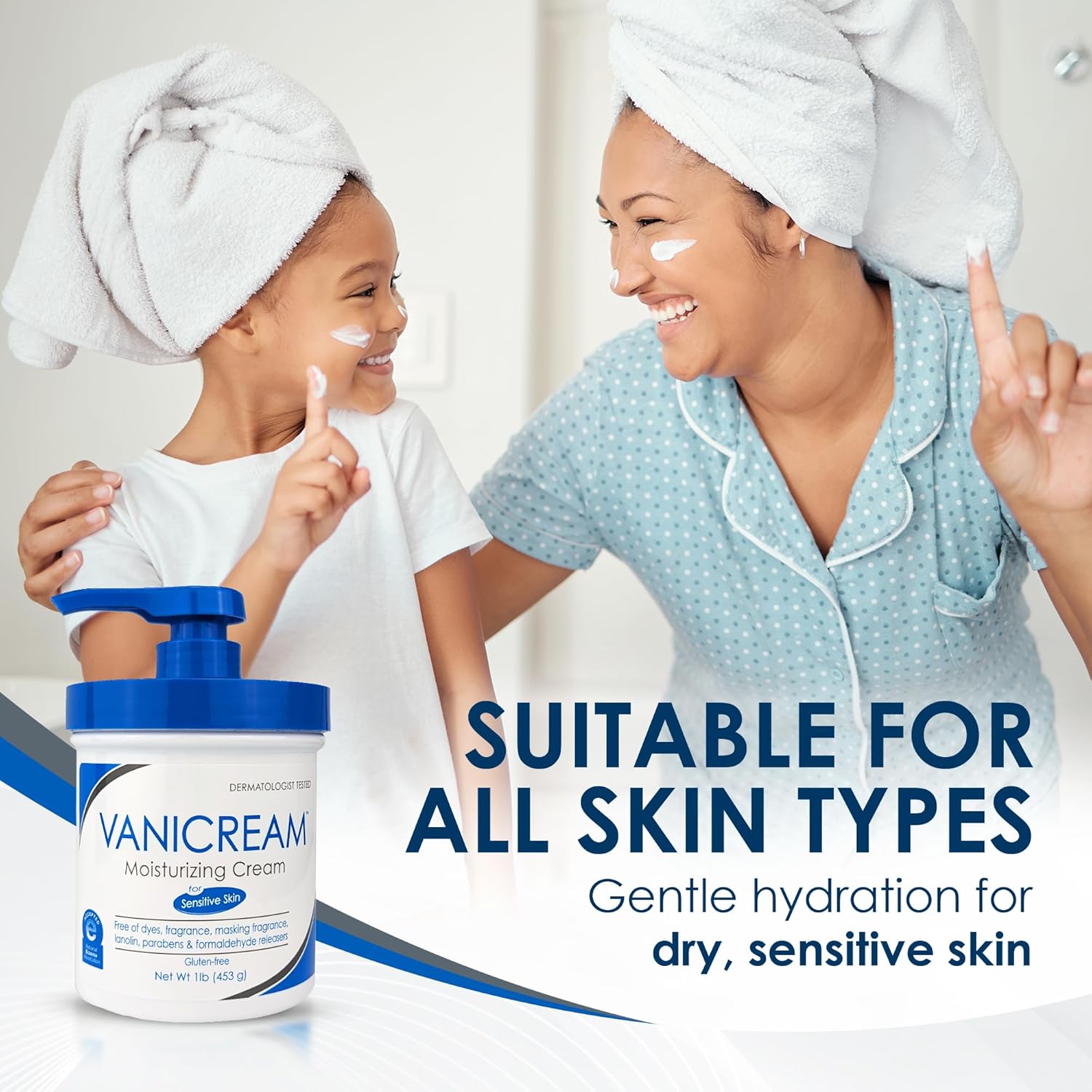
Recommended Product: Vanicream Moisturizing Cream
Vanicream Moisturizing Cream is formulated without common fragrances, dyes, or other potential irritants, making it a popular choice for people with dry or sensitive skin. Its rich formula helps replenish moisture while supporting the skin's natural protective barrier.
Many dermatologists recommend simple, gentle moisturizers as the foundation of an effective skincare routine.
Check Price on AmazonIn Part 2, you'll learn what damages the skin barrier, discover the science behind ceramides, cholesterol, and fatty acids, explore dermatologist-backed repair strategies, and see why even healthy skin can benefit from a simpler skincare routine.
What Can Damage Your Skin Barrier?
Your skin barrier is remarkably resilient, but it is not indestructible.
Modern lifestyles expose our skin to countless environmental and cosmetic stressors every day. In many cases, skin irritation is not caused by one dramatic event, but by the accumulation of many small factors over time.
Over-Cleansing
Washing your face too frequently or using harsh cleansers can remove the natural oils that help maintain the skin barrier.
Without these protective lipids, moisture escapes more easily, increasing dryness and sensitivity.
Over-Exfoliation
Exfoliating acids and scrubs can improve skin texture when used appropriately.
However, excessive exfoliation may disrupt the outer layer of the skin, increasing transepidermal water loss and irritation.
Hot Water
Long, hot showers may feel relaxing, but excessive heat can strip away protective oils that help maintain healthy skin.
Cold Weather and Low Humidity
Winter air often contains less moisture.
Indoor heating systems can further dry the environment, making it more difficult for the skin to retain hydration.
Ultraviolet Radiation
Repeated exposure to ultraviolet radiation contributes not only to premature skin aging but also to gradual impairment of the skin barrier.
Small habits repeated every day often have a greater impact on your skin barrier than occasional exposure to a single irritant.
The Three Essential Lipids That Keep Your Barrier Strong
The "mortar" between skin cells is made primarily from three types of lipids.
Ceramides
Ceramides make up approximately half of the lipids within the outer skin barrier.
They help seal the spaces between skin cells, reducing water loss while strengthening the barrier against external irritants.
Cholesterol
Although cholesterol often receives negative attention regarding cardiovascular health, it performs an essential structural role within healthy skin.
Skin cholesterol contributes to flexibility, stability, and normal barrier repair.
Free Fatty Acids
These natural lipids help maintain skin hydration and support the organization of the protective barrier.
Together, ceramides, cholesterol, and fatty acids create a highly organized structure that allows skin to remain both flexible and protective.
Replacing only one lipid is often less effective than supporting the natural balance of all three major barrier lipids.
How to Help Repair a Damaged Skin Barrier
The encouraging news is that your skin possesses remarkable self-repair abilities.
Supporting that natural process usually requires simplifying—not complicating—your skincare routine.
Choose a Gentle Cleanser
Select fragrance-free cleansers that remove dirt without stripping away essential oils.
Moisturize Consistently
Barrier-supporting moisturizers help reduce water loss while replenishing essential lipids.
Reduce Active Ingredients Temporarily
If your skin becomes irritated, reducing the use of exfoliating acids, retinoids, and other potent active ingredients may allow the barrier time to recover.
Protect Your Skin from the Sun
Daily sunscreen remains one of the most effective ways to reduce cumulative environmental damage.
Be Patient
Healthy skin repair takes time. Depending on the severity of the damage, noticeable improvement may require several weeks of consistent care.
Many dermatologists recommend simplifying skincare routines when the barrier becomes compromised instead of continuously adding new products.
The Role of Diet in Skin Barrier Health
Healthy skin is supported not only by topical skincare but also by overall nutrition.
A balanced diet provides nutrients involved in maintaining healthy skin structure and function.
Important nutrients include:
- Healthy fats.
- Protein.
- Vitamin C.
- Vitamin E.
- Zinc.
- Omega-3 fatty acids.
- Water.
While no single food can "repair" the skin barrier overnight, long-term dietary patterns contribute to overall skin health.
Your skincare routine works best when supported by healthy nutrition, adequate hydration, regular sleep, and overall healthy lifestyle habits.
Real-Life Example: The Legacy of Dr. Albert Kligman
Dr. Albert Kligman, a pioneering dermatologist and skin researcher, helped transform scientific understanding of the skin barrier and topical dermatology.
His work contributed to a better understanding of how the outer skin layer protects the body and how topical treatments interact with it.
Modern dermatology has continued building upon this foundation, emphasizing that preserving barrier integrity is essential before introducing more aggressive cosmetic treatments.
Today, recommendations from organizations such as the American Academy of Dermatology also encourage gentle cleansing, regular moisturizing, and consistent sun protection as fundamental components of healthy skin.
Many advances in cosmetic dermatology have focused not on making skin "perfect," but on maintaining its natural protective functions.
A Barrier-Repair Favorite Among Dermatologists
Barrier-supporting balms are commonly recommended for dry, irritated, or compromised skin because they help reduce moisture loss while supporting the skin's natural recovery process.

Recommended Product: La Roche-Posay Cicaplast Baume B5
This multi-purpose soothing balm contains ingredients that help support the skin's protective barrier while providing hydration for dry or irritated skin. Its rich yet non-greasy texture has made it a popular choice for people seeking gentle barrier care.
It can be especially helpful when the skin feels dry, tight, or temporarily sensitive after environmental exposure or cosmetic procedures.
Check Price on AmazonIn Part 2B, we'll debunk common myths about the skin barrier, answer frequently asked questions, summarize the key lessons, and provide scientific references, a medical disclaimer, SEO description, and article category.
Common Myths About the Skin Barrier
As skincare has become more popular on social media, misinformation about the skin barrier has spread just as quickly. Let's separate evidence-based science from common myths.
Myth 1: If Your Skin Feels Tight After Cleansing, It Means It's Clean
A tight, squeaky-clean feeling is often a sign that too much of the skin's natural protective oil has been removed.
A gentle cleanser should leave your skin feeling comfortable—not stripped.
Myth 2: More Active Ingredients Always Produce Better Results
Using multiple acids, retinoids, exfoliants, and vitamin C products at the same time may overwhelm the skin.
Healthy skin often responds better to consistency than excessive complexity.
Myth 3: Oily Skin Doesn't Need Moisturizer
Even oily skin requires hydration.
Skipping moisturizer may actually increase irritation and encourage the skin to compensate by producing more oil.
Myth 4: Natural Ingredients Are Always Safer
"Natural" does not automatically mean gentle.
Essential oils, plant extracts, and botanical ingredients can trigger irritation or allergic reactions in some individuals.
Scientific testing and individual skin tolerance matter far more than marketing claims.
The healthiest skincare routine is one that protects your skin barrier while meeting your individual skin's needs.
Simple Daily Habits That Protect Your Skin Barrier
Supporting the skin barrier is usually easier than repairing it after damage occurs.
Small daily habits can make a remarkable difference over time.
- Wash your face with a gentle cleanser.
- Avoid excessively hot water.
- Apply moisturizer while skin is still slightly damp.
- Use sunscreen every day.
- Avoid unnecessary over-exfoliation.
- Introduce new skincare products gradually.
- Stay hydrated.
- Eat a balanced diet rich in healthy fats, fruits, and vegetables.
- Sleep seven to nine hours whenever possible.
- Avoid smoking.
Expensive products cannot compensate for daily habits that repeatedly damage the skin barrier.
Frequently Asked Questions
How long does it take to repair a damaged skin barrier?
The recovery time depends on the severity of the damage, individual skin type, age, and daily skincare habits. Mild irritation may improve within days, while more significant barrier disruption can take several weeks with consistent gentle care.
Can I still use retinol if my skin barrier is damaged?
Many dermatologists recommend temporarily reducing or pausing potentially irritating active ingredients until the barrier has recovered. Always follow guidance from your healthcare professional.
Do ceramides really work?
Scientific research supports the role of ceramides in maintaining the skin barrier and reducing transepidermal water loss when included in appropriate skincare formulations.
Should oily skin use barrier creams?
Yes. The appropriate product depends on your skin type, but all skin types—including oily skin—benefit from maintaining a healthy barrier.
Can drinking more water repair the skin barrier?
Hydration supports overall health, but drinking extra water alone cannot repair a damaged barrier. Proper skincare and healthy lifestyle habits work together to support skin health.
Does aging affect the skin barrier?
Yes. As people age, the skin naturally produces fewer protective lipids, making the barrier more susceptible to dryness and irritation.
Conclusion
The skin barrier may be invisible, but it is one of the most important foundations of healthy, beautiful skin.
Every moisturizer, serum, sunscreen, or cosmetic treatment works best when this remarkable protective layer is functioning properly.
Instead of constantly searching for the newest miracle ingredient, begin by protecting the skin you already have.
Gentle cleansing, consistent moisturizing, daily sun protection, balanced nutrition, quality sleep, and patience remain among the most effective strategies supported by modern dermatology.
When your skin barrier is healthy, your skin is better able to stay hydrated, defend itself from environmental stress, and tolerate active skincare ingredients.
Beautiful skin is rarely created overnight.
It is built gradually through small, consistent habits that support your skin's natural ability to protect and repair itself.
The strongest skincare routine isn't the one with the most products—it's the one that respects your skin barrier every single day.
Scientific References
- American Academy of Dermatology. Dry Skin: Tips for Managing.
- National Library of Medicine (PubMed). Skin Barrier Function.
- National Center for Biotechnology Information (NCBI). The Skin Barrier in Healthy and Diseased Skin.
- Journal of Investigative Dermatology. The Epidermal Permeability Barrier.
- National Institutes of Health. Skin Health.
- American Academy of Dermatology. Moisturizers: How to Select One.
- International Journal of Molecular Sciences. The Role of Ceramides in Skin Barrier Function.
- British Journal of Dermatology. Epidermal Barrier Function and Repair.
Medical Disclaimer
This article is provided for educational and informational purposes only. It is not intended to diagnose, treat, cure, or prevent any disease or skin condition, nor should it replace professional medical advice.
Skin concerns such as persistent redness, severe dryness, pain, rashes, eczema, allergic reactions, or other ongoing symptoms should be evaluated by a qualified dermatologist or healthcare professional.
The authors and publishers of this website assume no responsibility or liability for any injury, loss, or damage resulting from the use or misuse of the information presented in this article.


