Why Moisturizers Stop Working After 40 (And What to Do Instead)
Many people notice a frustrating pattern after the age of 40: the same moisturizers that once made skin soft, plump and glowing suddenly seem ineffective. No matter how expensive the cream or how often it is applied, the skin still feels dry, tight or dull. This is not a coincidence. It is a reflection of deeper biological changes happening inside the skin.
Understanding why moisturizers stop working requires looking beyond surface hydration. Aging skin behaves differently at the cellular level, and traditional moisturizing strategies are often not enough to address those changes.
What Moisturizers Actually Do
To understand why they stop working, it is important to understand what moisturizers are designed to do. Most moisturizers rely on three main categories of ingredients:
- Humectants – attract water (e.g., glycerin, hyaluronic acid)
- Emollients – smooth and soften skin
- Occlusives – prevent water loss
In younger skin, these mechanisms are usually enough. The skin barrier is intact, lipid production is strong, and water retention functions efficiently.
What Changes After 40?
1. Lipid Production Declines
The skin produces fewer natural lipids such as ceramides, cholesterol and fatty acids. These lipids are essential for maintaining the barrier that locks moisture in.
2. Slower Cell Turnover
Cell renewal slows significantly. Dead skin cells accumulate on the surface, preventing moisturizers from penetrating effectively.
3. Reduced Natural Hydration
The skin’s ability to retain water decreases. Natural moisturizing factors decline, leading to chronic dehydration.
4. Increased Transepidermal Water Loss
The barrier becomes weaker, allowing water to escape more easily. Even high-quality moisturizers may not compensate for this loss.
Why Moisturizers Feel Ineffective
Most products are designed for surface hydration. However, aging skin requires deeper structural support. Without repairing the barrier and restoring lipid balance, hydration cannot be maintained.
This creates the illusion that moisturizers “stop working,” when in reality they are simply not addressing the root causes.
The Science of Skin Barrier Dysfunction
The outermost layer of the skin, known as the stratum corneum, acts as a protective barrier. Research shows that aging disrupts its structure, leading to increased permeability and sensitivity.
Barrier dysfunction is one of the main reasons for dryness, irritation and visible aging.
What to Do Instead: Evidence-Based Solutions
1. Focus on Barrier Repair
Instead of relying only on hydration, the priority should shift to restoring the lipid barrier.

Contains ceramides and lipids that help restore the skin barrier and improve hydration retention.
View on Amazon2. Use Layered Hydration
Applying humectants followed by occlusives helps trap moisture more effectively.
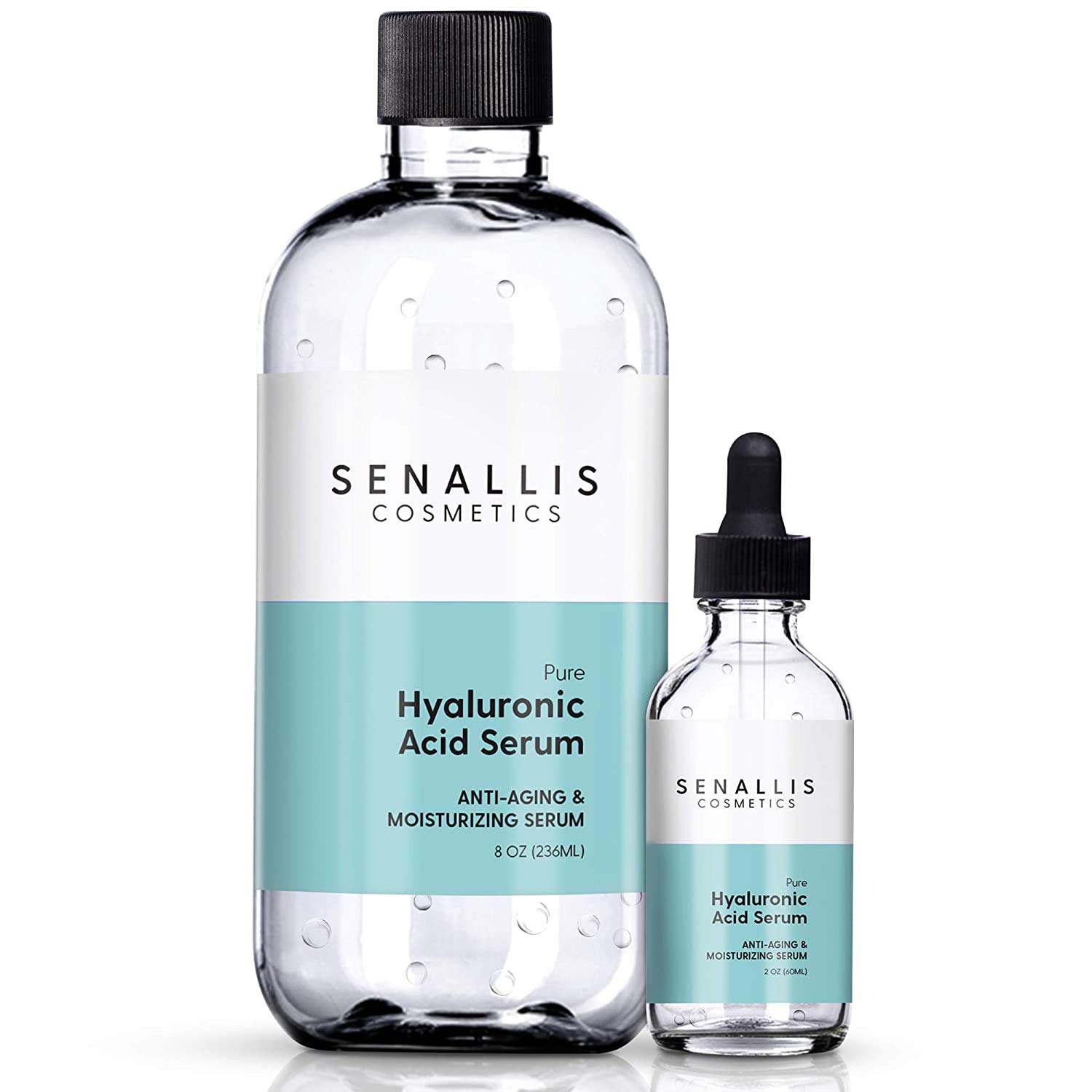
Helps attract water into the skin, improving plumpness when combined with barrier support.
View on Amazon3. Gentle Exfoliation
Removing dead cells improves absorption and allows products to work more effectively.
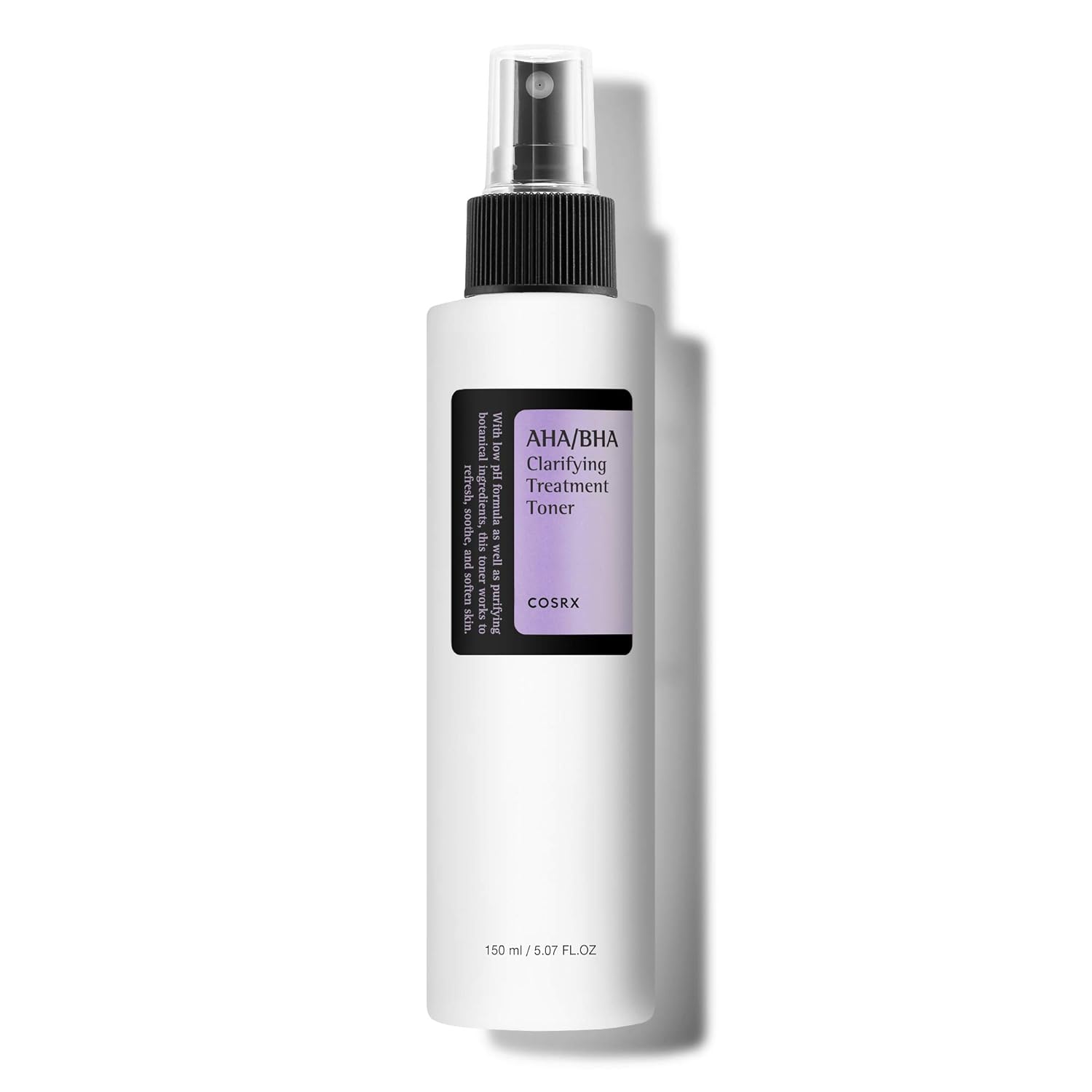
Supports skin renewal and enhances product penetration without harsh scrubbing.
View on Amazon4. Support Skin From Within
Hydration is not only topical. Nutrition, omega-3 fatty acids and antioxidant intake influence skin hydration and elasticity.

5. Overnight Repair
Nighttime is when skin repair processes peak. Richer formulations can improve recovery.
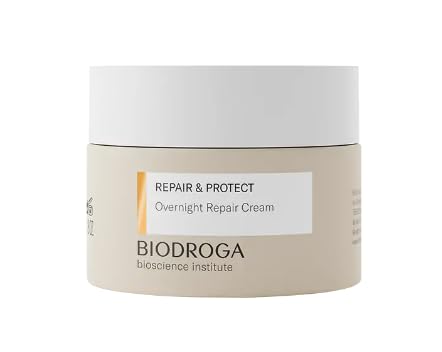
Supports skin regeneration and improves morning hydration levels.
View on AmazonReal-Life Pattern Observed in Clinical Settings
Dermatological observations consistently show that individuals over 40 often require a combination of barrier repair, hydration layering and lifestyle adjustments to restore skin comfort. Single-product solutions rarely deliver long-term results.
Common Mistakes That Make Moisturizers Fail
- Using only lightweight products
- Skipping exfoliation
- Ignoring barrier repair
- Over-cleansing
- Not adjusting routine with age
The Future of Skincare After 40
Modern skincare is moving toward barrier science, microbiome support and personalized routines. The focus is shifting from quick fixes to long-term skin health.
Conclusion
Moisturizers do not lose their effectiveness randomly. The skin evolves with age, and its needs become more complex. After 40, hydration alone is not enough. Restoring the barrier, supporting internal health and adjusting skincare strategy are essential for maintaining healthy, comfortable and resilient skin.
The key is not to use more product, but to use the right approach.
Scientific References
Proksch E et al. The skin barrier function and its importance. Exp Dermatol.
Rawlings AV et al. Stratum corneum moisturization. Int J Cosmet Sci.
Farage MA et al. Intrinsic aging in the skin. Int J Cosmet Sci.
Elias PM. Skin barrier function. J Invest Dermatol.
We do not provide medical advice and assume no responsibility for any outcomes based on the information presented in this article.


