mTOR Pathway: The Longevity Switch You’ve Never Heard About
Introduction: Why mTOR May Be the Most Important Longevity Pathway
The mTOR pathway is one of the most researched biological systems in aging science today. Short for mechanistic Target of Rapamycin, mTOR acts as a master regulator of growth, metabolism, protein synthesis, and cellular repair. Scientists often describe it as a biological switch that determines whether your cells focus on growth or maintenance.
Understanding mTOR is essential for anyone interested in longevity, metabolic health, muscle growth, fasting, or biohacking. It sits at the center of nutrient sensing and responds directly to amino acids, glucose, insulin, exercise, and energy status.
This article explores how the mTOR pathway works, why it matters for lifespan, and how evidence-based lifestyle strategies may help you optimize it safely.
What Is the mTOR Pathway?
mTOR is a conserved protein kinase found in all eukaryotic cells. It forms two major complexes:
- mTORC1 – regulates growth, protein synthesis, and autophagy suppression.
- mTORC2 – involved in insulin signaling and cell survival.
mTORC1 is the primary complex linked to longevity research. When nutrients are abundant, especially amino acids like leucine, mTORC1 activates anabolic processes. When nutrients are scarce, mTOR activity decreases, triggering cellular recycling and repair.
Groundbreaking research has shown that inhibiting mTOR signaling can extend lifespan in yeast, worms, flies, and mammals.
mTOR & Aging: What the Science Shows
One of the most influential discoveries in aging biology was that the drug rapamycin, an mTOR inhibitor, extended lifespan in mice even when administered later in life.
In a landmark study published in Nature, researchers demonstrated that rapamycin increased lifespan in genetically heterogeneous mice. This finding transformed the aging research field.
Why does lowering mTOR extend lifespan?
- Increased autophagy
- Reduced cellular senescence
- Improved metabolic flexibility
- Lower chronic inflammation
Chronically elevated mTOR has been associated with cancer risk, insulin resistance, and accelerated aging phenotypes.
The Growth vs Repair Trade-Off
The body operates in two primary modes:
- Growth Mode – stimulated by nutrients and insulin, mTOR active.
- Repair Mode – activated during fasting or energy restriction, mTOR suppressed.
Modern diets rich in protein, refined carbohydrates, and constant snacking keep mTOR continuously activated. Evolutionarily, humans experienced cycles of feeding and fasting. That fluctuation likely helped maintain cellular balance.
mTOR & Muscle Building: Is It Bad to Activate It?
No. mTOR activation is essential for muscle protein synthesis. Resistance training strongly stimulates mTOR, which promotes hypertrophy and strength gains.
The key is periodic activation, not chronic stimulation. Strategic cycling between activation and suppression appears most beneficial.
Evidence-Based Strategies to Regulate mTOR Naturally
1. Intermittent Fasting
Fasting reduces insulin and amino acid availability, suppressing mTORC1 and stimulating autophagy.

Useful for time-restricted eating & intermittent fasting schedules.
2. Resistance Training
Short-term mTOR activation via resistance training improves muscle mass and metabolic health.

3. Protein Cycling
Moderate protein intake prevents chronic mTOR overactivation. Periodic lower-protein days may mimic caloric restriction effects.

Lower leucine content compared to whey, useful for protein balance.
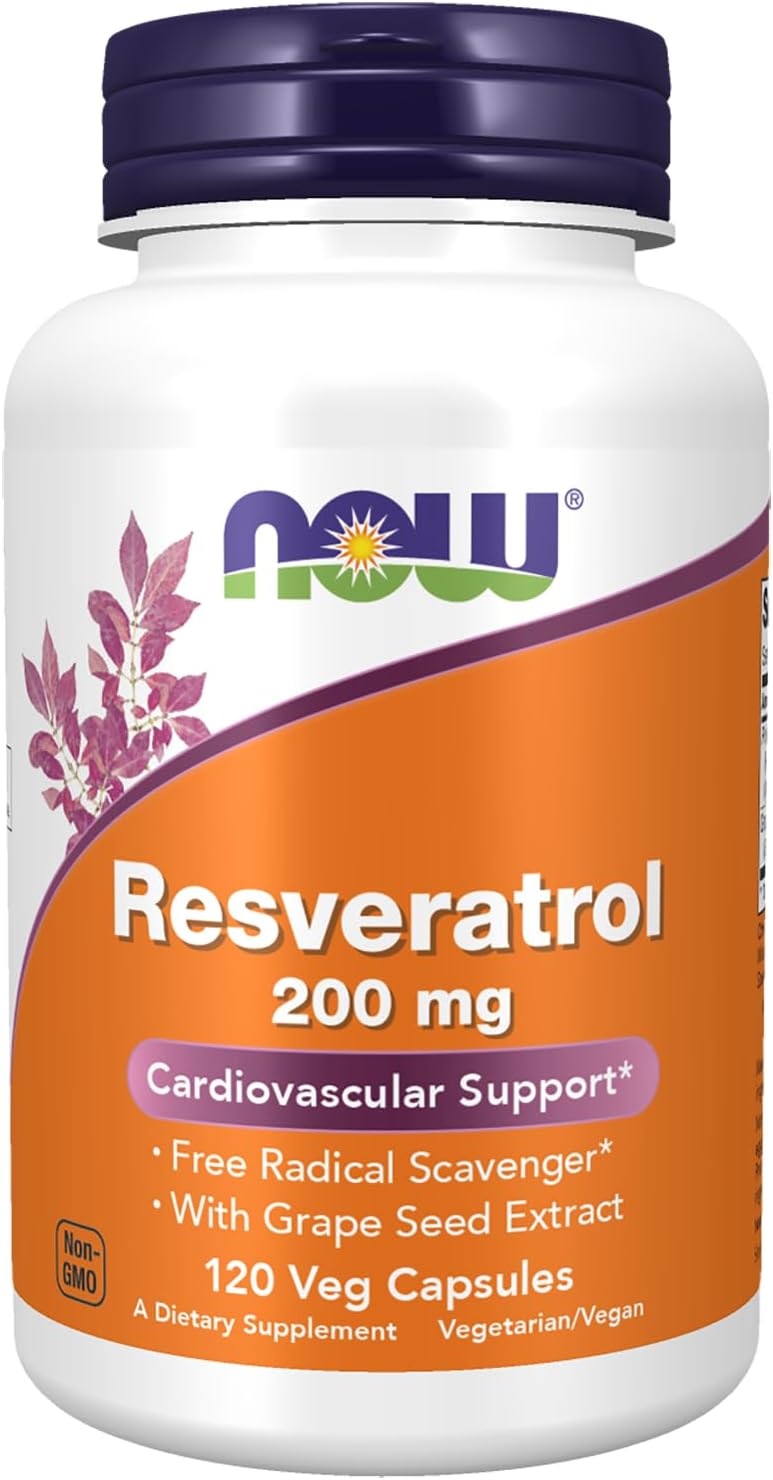
4. Polyphenols & Natural Compounds
Some plant compounds may indirectly influence nutrient sensing pathways.
Celebrity Example: Longevity-Focused Lifestyle
Technology entrepreneur Bryan Johnson publicly documents his longevity protocol, which includes caloric control, resistance training, and nutrient timing strategies consistent with periodic mTOR modulation. His health biomarkers are regularly published and discussed in mainstream media interviews.
While individual results vary, the public interest in structured longevity programs highlights how mTOR science is influencing modern health strategies.
Risks of Over-Suppressing mTOR
Excessive inhibition may impair wound healing, immune response, and muscle maintenance. Balance remains essential. Most experts advise against pharmacological intervention without medical supervision.
mTOR & Cancer Research
Because mTOR promotes cell growth, hyperactivation has been linked to tumor progression. mTOR inhibitors are used in oncology. However, lifestyle modulation differs significantly from pharmaceutical intervention.
mTOR & Metabolic Health
Chronic nutrient overload keeps mTOR persistently elevated, contributing to insulin resistance. Periodic suppression improves metabolic flexibility and cellular stress resilience.
Conclusion
The mTOR pathway represents one of the most powerful biological switches influencing aging, metabolism, and disease risk. It governs the delicate balance between growth and repair.
Rather than attempting extreme suppression, the evidence suggests a cyclical approach: stimulate mTOR through strength training and adequate nutrition, then allow periods of suppression through fasting and metabolic rest.
Longevity appears not to depend on constant growth, but on strategic recovery.
Scientific References
- Harrison DE et al. Rapamycin fed late in life extends lifespan in genetically heterogeneous mice. Nature. 2009.
- Saxton RA & Sabatini DM. mTOR Signaling in Growth, Metabolism, and Disease. Cell. 2017.
- Johnson SC et al. mTOR is a key modulator of ageing and age-related disease. Nature. 2013.
- Laplante M & Sabatini DM. mTOR signaling in growth control and disease. Cell. 2012.
- Blagosklonny MV. Rapamycin for longevity: opinion article. Aging. 2019.
Disclaimer: This article is for informational purposes only. We do not provide medical advice and assume no responsibility for individual outcomes. Always consult a qualified healthcare professional before making health-related decisions.


