Adaptogens Explained: How Herbs Help the Body Handle Stress Naturally
Chronic stress has become one of the defining health challenges of modern life. Long work hours, constant digital exposure, irregular sleep patterns, and psychological pressure continuously activate the body’s stress response. Over time, this state of heightened alertness can disrupt hormonal balance, immune function, cognitive clarity, and emotional stability.
Adaptogens are a unique class of natural substances that have gained global attention for their ability to support the body’s capacity to handle stress more efficiently. Unlike stimulants or sedatives, adaptogens do not force the body into a specific state. Instead, they promote balance, resilience, and physiological adaptability.
What Are Adaptogens?
Adaptogens are herbs and plant-derived compounds defined by their ability to increase the body’s resistance to physical, chemical, and biological stressors. The term was formally introduced in the mid-20th century during scientific research on substances that enhance stress tolerance without causing harm or dependency.
To qualify as an adaptogen, a substance must be non-toxic at normal doses, support overall physiological balance, and help normalize bodily functions regardless of the direction of imbalance.
The Stress Response & the HPA Axis
The human stress response is primarily regulated by the hypothalamic-pituitary-adrenal axis, often referred to as the HPA axis. When stress is perceived, this system releases cortisol and other stress hormones to mobilize energy and sharpen focus.
Short-term activation of this system is beneficial. However, chronic activation may lead to fatigue, mood disturbances, weakened immunity, sleep disorders, and metabolic dysfunction. Adaptogens are believed to interact with this regulatory network, helping to modulate cortisol levels rather than suppress them entirely.
How Adaptogens Support Stress Resilience
- Support balanced cortisol production
- Enhance cellular energy metabolism
- Promote nervous system stability
- Support immune system regulation
- Improve mental endurance and focus
Key Adaptogenic Herbs Explained
Ashwagandha
Ashwagandha has been studied extensively for its calming and restorative properties. It is often associated with improved sleep quality, reduced stress perception, and enhanced cognitive performance under pressure.
Rhodiola Rosea
Rhodiola is commonly used to support mental stamina and physical endurance. It is particularly noted for its potential to reduce fatigue during prolonged stress exposure.
Holy Basil
Holy Basil has a long history of use in traditional wellness systems. It is associated with emotional balance, metabolic regulation, and support during periods of psychological stress.
Panax Ginseng
Panax Ginseng is known for its role in energy regulation, immune support, and cognitive function. It is frequently included in formulations aimed at enhancing vitality and resilience.
Adaptogens vs Conventional Stress Aids
Many stress-related products rely on stimulants or sedatives that provide immediate but temporary effects. Adaptogens differ in that they aim to improve the body’s adaptive capacity over time rather than masking symptoms.
This gradual, regulatory approach makes adaptogens particularly suitable for long-term stress management strategies.
Adaptogens in Real Life: Public Figures & Wellness Routines
Several well-known public figures have openly discussed incorporating adaptogenic herbs into their wellness routines as part of broader lifestyle practices focused on balance and resilience. These examples are often described in interviews or lifestyle features rather than clinical settings.
Actors and athletes operating under intense schedules frequently mention adaptogenic supplements as part of recovery-focused routines involving sleep optimization, nutrition, and mindfulness practices. These anecdotal examples illustrate how adaptogens are commonly positioned as supportive tools rather than quick fixes.
Adaptogens in Supplement Form

Adaptogen Herbal Complex
A combination formula featuring multiple adaptogenic herbs designed to support stress balance, cognitive clarity, and daily resilience.
View on Amazon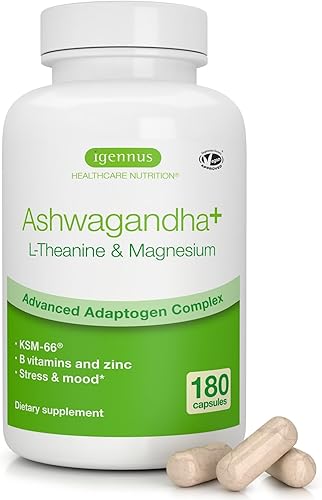
Ashwagandha Root Extract Capsules
Standardized extract commonly used for nervous system support and recovery from chronic stress.
View on Amazon
Rhodiola Rosea Capsules
Popular among individuals seeking mental endurance and resistance to fatigue.
View on AmazonSafety, Tolerance & Long-Term Use
Adaptogens are generally well tolerated when sourced responsibly and used as directed. Their effects are typically cumulative rather than immediate, reflecting their role in regulatory balance rather than stimulation.
Individual responses may vary depending on stress levels, lifestyle factors, and overall health status.
Conclusion
Adaptogens offer a scientifically intriguing approach to stress management by supporting the body’s natural adaptive systems. Rather than forcing a state of calm or stimulation, these herbs work to promote balance, resilience, and long-term physiological stability. As research continues to expand, adaptogens remain a valuable component of modern wellness strategies aimed at sustainable stress resilience.
Disclaimer: This article is for informational purposes only and does not constitute medical advice. Responsibility for the use of any products or practices discussed rests solely with the reader.
Scientific Sources
- Panossian A, Wikman G. Effects of adaptogens on the central nervous system and molecular mechanisms associated with their stress-protective activity. Pharmaceuticals.
- Chandrasekhar K et al. A prospective, randomized double-blind study of safety and efficacy of ashwagandha extract. Indian Journal of Psychological Medicine.
- Amsterdam JD, Panossian AG. Rhodiola rosea as a putative botanical antidepressant. Phytomedicine.
- Ulbricht C et al. Holy basil (Ocimum sanctum). Journal of Dietary Supplements.


